Infectious Disease expertise

Infectious disease trials are driven by variability. Patient availability changes with seasonality, outbreaks, and local epidemiology. Recruitment is rarely stable, and site performance depends on timing as much as capability. As an experienced CRO in infectious diseases, we understand that execution requires selecting the right countries and sites at the right moment, not simply expanding the footprint. Delays in activation or misaligned feasibility assumptions can result in missed recruitment windows that cannot be recovered later.

APICES CRO supports infectious disease studies by aligning study design and site selection with real-world epidemiological patterns across Europe. We work with investigators and centers that consistently deliver within changing clinical environments, ensuring that recruitment strategies reflect actual patient flow rather than theoretical projections.

Clinical trials in Infectious Diseases

Patients & healthy volunteers enrolled

Vaccine Clinical trials

Why APICES CRO for Infectious Disease

In infectious disease programs, feasibility is highly time-sensitive. Decisions made early in country selection, site activation, and recruitment planning directly determine whether enrollment targets are met.

APICES focuses on realistic recruitment intelligence and operational timing. We prioritize sites with proven access to patient populations and align study start-up with epidemiological trends. This reduces the risk of underperforming sites and avoids the need for reactive expansion mid-study.

Our teams operate with full in-house control across clinical operations, data management, biostatistics, safety, and medical writing. This ensures consistent execution and clear accountability throughout the study.


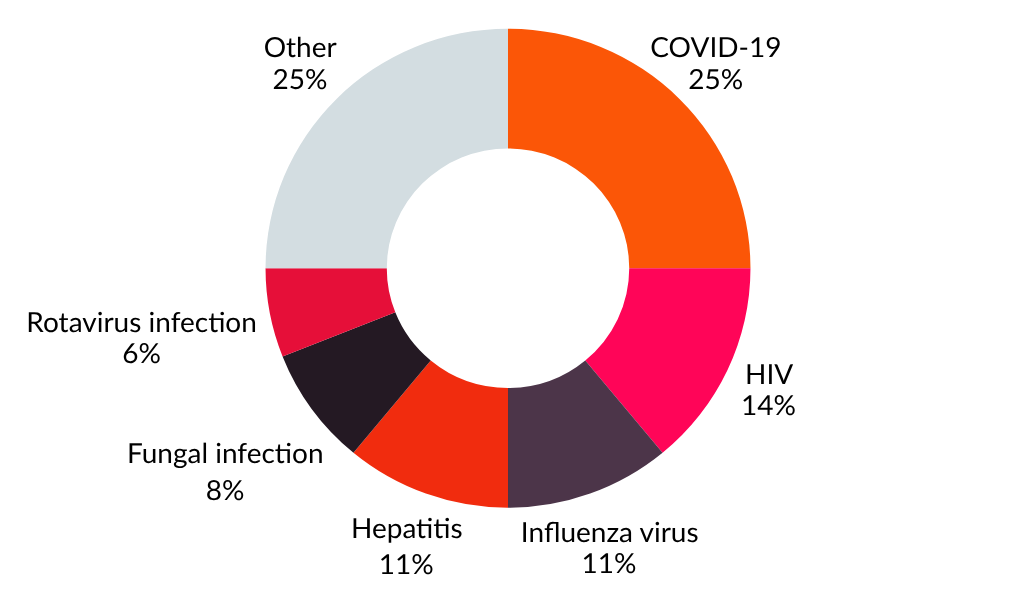
Infectious disease clinical trials in Europe — APICES

Case study

CONFINS: Large Scale Digital Epidemiology During the COVID-19 Pandemic

If you are preparing a European study in infectious diseases, speak with the team who would actually run it.

Early Clinical development

When moving from protocol to first European execution →

Late Clinical development

When scale, consistency, and delivery discipline matter →